
Role of Accounting in Business – Key Benefits & Importance
Role of Accounting in Business: Complete Guide
Introduction
Accounting is the backbone of every business. It records, organizes, and reports financial transactions that help in decision-making, planning, and compliance. Without proper accounting, businesses may face losses, mismanagement, and legal problems. This guide explains the critical role of accounting in business, its benefits, and how companies can leverage it for growth.
What is Accounting in Business?
Accounting in business refers to the systematic recording, summarizing, analyzing, and reporting of financial transactions. It helps businesses track income, expenses, assets, and liabilities to understand their financial position and performance.
Key Functions of Accounting
- Bookkeeping: Recording daily transactions accurately.
- Financial Reporting: Creating income statements, balance sheets, and cash flow statements.
- Tax Accounting: Ensuring compliance with tax regulations and filing returns.
- Cost Accounting: Calculating production costs and analyzing profitability.
- Management Accounting: Providing insights for decision-making, budgeting, and forecasting.
- Audit Support: Preparing for internal and external audits.
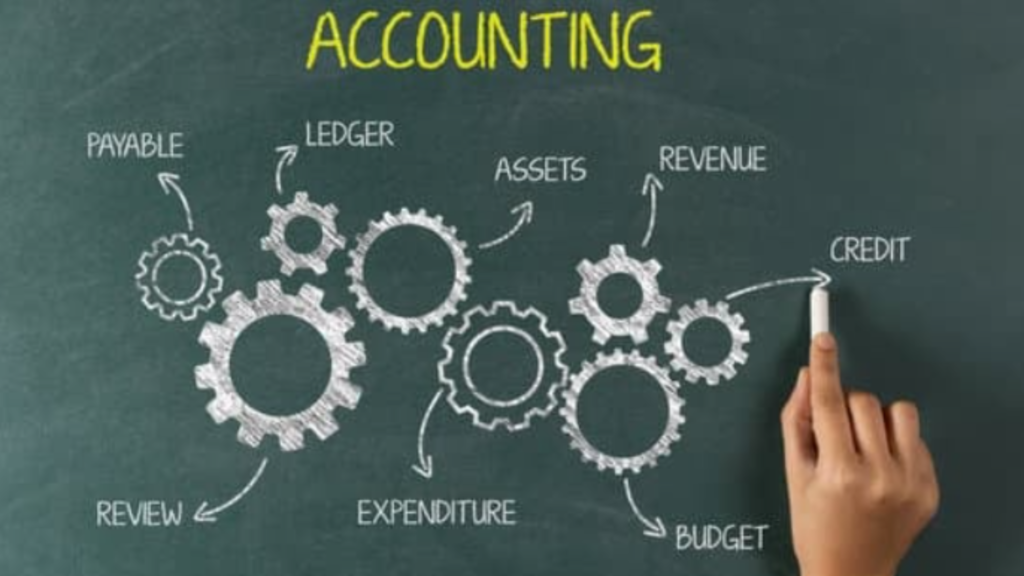
Importance of Accounting in Business
Accounting plays a vital role in:
- Decision Making: Provides accurate data for strategic choices.
- Financial Control: Helps track expenses, revenue, and profits.
- Compliance: Ensures adherence to legal and tax regulations.
- Planning & Budgeting: Supports business planning and resource allocation.
- Investor Confidence: Transparent accounting attracts investors.
- Performance Measurement: Helps analyze efficiency and profitability.
Types of Accounting in Business
- Financial Accounting: External reporting for stakeholders.
- Management Accounting: Internal reporting for decision-makers.
- Cost Accounting: Focused on controlling and analyzing costs.
- Tax Accounting: Ensuring compliance and optimizing tax payments.
Role of Accounting in Small Businesses
Small businesses rely on accounting to:
- Track daily expenses and income
- Prepare financial statements for loans or investors
- Ensure timely tax filing
- Identify profitable and unprofitable activities
- Make informed decisions for growth
Role of Accounting in Large Businesses
Large businesses use accounting to manage:
- Multiple departments and divisions
- Complex financial transactions
- International operations and currency conversions
- Detailed compliance and audits
- Advanced financial reporting for stakeholders
Accounting and Business Decision Making
Accurate accounting data helps management:
- Set budgets and forecasts
- Allocate resources effectively
- Evaluate investment opportunities
- Control costs and improve efficiency
- Assess risks and returns
Benefits of Accounting for Business Growth
- Better financial management
- Accurate tax planning
- Improved decision-making
- Enhanced transparency and credibility
- Supports strategic planning and investment
- Helps in attracting investors and funding
Challenges in Business Accounting
- Human errors in manual bookkeeping
- Fraud and financial mismanagement
- Complex tax regulations
- Managing large data and transactions
- Ensuring timely and accurate reporting
Technology and Modern Accounting
Digital and cloud-based accounting systems help businesses:
- Automate bookkeeping and reporting
- Access data in real-time
- Reduce errors and improve accuracy
- Integrate with other business systems
- Enhance security and data storage
15 Frequently Asked Questions (FAQs)
1. What is the role of accounting in business?
Accounting tracks financial transactions, helps in decision-making, ensures compliance, and supports business growth.
2. Why is accounting important for small businesses?
It helps track income, expenses, taxes, and profitability, ensuring informed decision-making.
3. How does accounting support large businesses?
It manages complex transactions, multiple departments, international operations, compliance, and reporting.
4. What are the main functions of accounting?
Bookkeeping, financial reporting, cost accounting, management accounting, tax compliance, and audit support.
5. How does accounting help in decision-making?
Provides accurate data for budgeting, investment, cost control, and strategic planning.
6. What is financial accounting?
Financial accounting focuses on preparing reports for external stakeholders like investors, banks, and regulators.
7. What is management accounting?
Management accounting provides internal reports to aid planning, budgeting, and performance evaluation.
8. How does cost accounting help businesses?
It analyzes production costs, helps in pricing decisions, and improves profitability.
9. How does accounting ensure compliance?
By maintaining accurate records, filing taxes on time, and following regulations.
10. What challenges do businesses face in accounting?
Human errors, fraud, complex tax laws, large transaction volumes, and timely reporting.
11. How has technology changed accounting?
Digital and cloud-based systems automate bookkeeping, reporting, and provide real-time data access.
12. How does accounting attract investors?
Transparent and accurate financial records build investor confidence and credibility.
13. What is the role of accountants in business?
Accountants manage records, ensure compliance, provide financial insights, and support strategic decisions.
14. How does accounting contribute to business growth?
It helps in budgeting, cost control, risk management, and identifying profitable opportunities.
15. Can proper accounting prevent business losses?
Yes, accurate accounting reduces errors, prevents fraud, ensures compliance, and supports informed decision-making.
Conclusion
The role of accounting in business is indispensable. Proper accounting in business provides financial clarity, ensures compliance, and supports informed decision-making. By prioritizing the role of accounting in business, companies can enhance growth, attract investors, and maintain long-term success. Accounting is not just a support function; the role of accounting in business is a strategic tool for achieving sustainable growth and stability.